
TMJ Treatment Frisco
Get Rid of Jaw Pain for Good

Do you often experience jaw pain, sore facial muscles, or headaches? These are all potential symptoms of TMJ disorder (TMD). The good news is that effective TMJ treatments are available in our Frisco office. We offer minimally invasive care that can address the cause of your symptoms and lead you toward pain-free oral function. Continue reading below to learn more, or contact White Lotus Dental directly to set up your consultation.
Why Choose White Lotus Dental for TMJ Treatment?
- Minimally Invasive Treatment Options
- Highly Skilled & Caring Dental Team
- Friendly & Welcoming Environment
What Is TMJ Disorder?
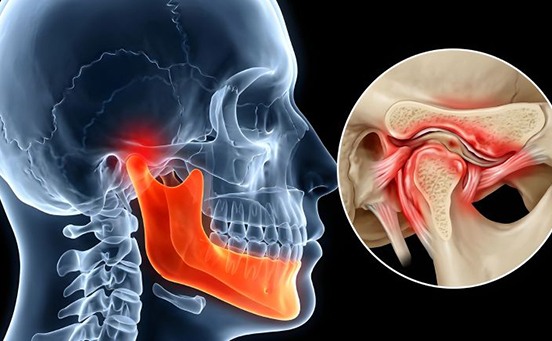
Temporomandibular joint disorder (TMD) is a condition that affects the temporomandibular joints (TMJs), which control movement of the lower jaw. When the joints become inflamed or damaged, a wide range of symptoms can occur. TMD can have quite a few different causes, including arthritis, injuries, stress, a misaligned bite, and more. It has the potential to affect individuals of all ages and life circumstances.
Symptoms of TMJ Disorder

TMD can cause dozens of different symptoms, with the most common being jaw pain, jaw stiffness, and sore facial muscles. However, it may also cause:
- Frequent headaches
- Migraine attacks
- Pain in the back, shoulders, and neck
- Pain behind the eyes
- Earaches or ringing in the ears
- Limited jaw mobility
- Reduced chewing power
- Changes in the way the upper and lower teeth fit together
- Clicking and popping sounds in the jaw
Types of TMJ Treatment
Before we can start your TMJ treatment, our Frisco team will first need to gather information about your case. In addition to performing a visual and tactile examination, we may also take some X-rays. Then, we can advise you on the best ways to find relief. Certain lifestyle changes, such as massage, a soft diet, and heat/cold therapy, may bring temporary relief. Often, the best results are achieved when professional treatment is also involved.
Occlusal Splint
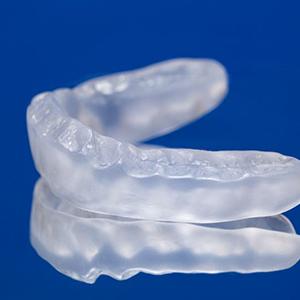
An occlusal splint is a custom-made orthotic device that looks like a mouthguard. All you have to do is wear it each night, and it will reposition your jaw in a way that allows your muscles to relax. It can also prevent teeth grinding and clenching, which is a common contributor to TMJ disorder.
Equilibration/Occlusal Adjustment
In some cases, TMD is caused by minor discrepancies in the way the upper and lower teeth fit together. We can address such issues by slightly altering the chewing surfaces of your teeth or existing dental restorations. After these adjustments, you may find that there is much less tension in your jaw joints and the surrounding facial muscles.